
Let’s keep this simple: Old Rauma is utterly charming.
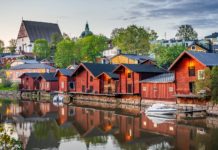
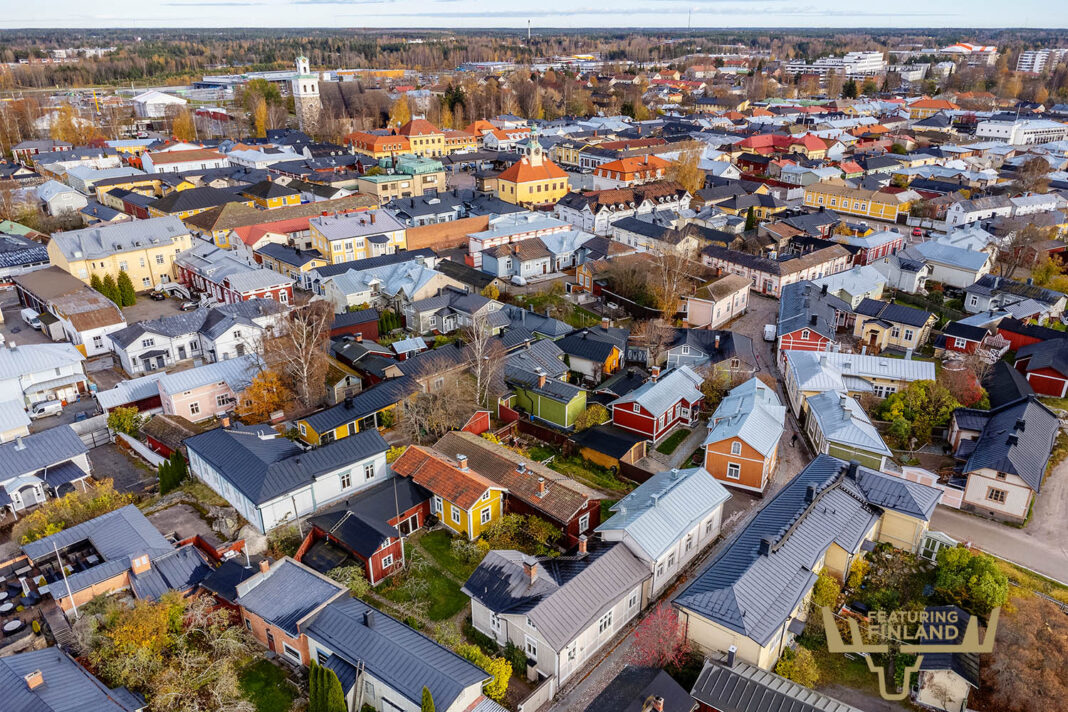
It’s not just one of Finland’s UNESCO World Heritage Sites — it’s in a league of its own. Old Rauma is the largest preserved wooden town in the Nordics and a rare gem by global standards. Situated on the West Coast of Finland, it’s recognized by UNESCO as a living, well-maintained example of a historic northern wooden town, it’s the kind of place that surprises you with how beautifully intact it still is.
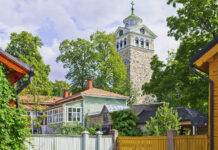
The size of the old town makes it a dream to explore on foot. Wooden houses stretch out in every direction, with cozy little galleries and shops popping up in the most delightful places. Even for Finns, Old Rauma is a top-tier domestic destination.
That Rauma has survived in such good condition is almost a miracle. Most wooden towns in Finland have been devastated by fire — Rauma’s last big one happened way back in 1682. Some of the oldest houses here still have their original flair from the late 1700s.
What sets Rauma’s wooden houses apart is their detail. Unlike other towns where wooden homes were often modest, here every building feels like its own character, complete with its own name proudly displayed on a plaque at the corner.
You can step into Rauma’s past at a couple of charming home museums, or dive into its seafaring roots at the excellent Maritime Museum. Oh — and keep an ear out for the local Rauma dialect. For Finns it’s famously funny and has a way of putting them in a good mood.
Start at the Square: Rauma Market & Old Town Hall
The beating heart of Old Rauma is the market square, home to the Old Town Hall with its elegant Renaissance-style tower. One of the best-preserved 18th-century buildings in Finland, it now houses a museum about Rauma’s history — including the delicate craft of bobbin lace-making, which was once a booming local trade.
Around the square, you’ll find plenty of food spots, from long-standing classics like Jubupizza to neighborhood favorites like Ravintola Otava — a pub that’s been pouring pints for nearly 100 years.
Eat Like Royalty at Sydvest
Just a few minutes from the square is Sydvest, Rauma’s top restaurant. Tucked into a beautiful wooden house, this laid-back gastropub serves up gourmet dishes with heart — and flavor.
Find Peace at the Church of the Holy Cross
A short stroll from the market takes you to the serene Church of the Holy Cross, perched by a quiet canal. Built by Franciscan monks in the 1500s, it still boasts original frescoes telling biblical stories. The monastery is long gone, but the church lives on.
Sailor Stories at Kirsti’s House
Follow the canal past the church to Kirsti’s House, a small museum showing how typical sailor families lived. Cross back to the town center via quaint bridges, and head toward Finland’s narrowest street — Kitukränn.
Kitukränn — Finland’s Skinniest Street
At just over two meters wide, Kitukränn alley squeezes between Kuninkaankatu and Kauppakatu, two of Old Rauma’s main arteries. The narrow alley’s name comes from the Finnish word meaning stunted, and it leads to one of the town’s most picturesque little squares and offers a perfect photo op. On the corner of the alley, a sign written in old-style Fraktur script is mounted on the wall, forbidding any kind of littering in the area under penalty of a fine.
Rauma’s Most Picturesque Square: Hauenguano

The most photogenic square in Rauma is the tiny Hauenguano, with a small, charming wooden well at its center. Small squares like this were common in medieval towns. The name comes from the square’s shape, which resembles the jawbone of a pike (hauki in Finnish).
On the edge of the square stands the Rauma Art Museum, housed in a pale pink building from 1795. The museum focuses on artists from the local area and the broader Baltic Sea region.
In summer, a sculpture by Rauma-based ceramic artist Kerttu Horila—Rauma Flikk—sits on a bench outside the museum, quietly watching the world go by.
Marela — Step Into the Life of a Wealthy Shipowner
Near Kitukränn you’ll find Marela, a beautifully decorated home once owned by a shipping magnate. Think fancy doors, ceiling paintings, wood paneling, and classic tiled stoves.
Eat & Sleep Well at Kalatori
Kalatori, once Rauma’s main market square, is now a laid-back spot with the excellent Restaurant Kalatori and the boutique Hotel Vanha Rauma. Every room in this 1930s functionalist building is unique, and the breakfast is worth writing home about.
Quiet Moments in the Cemetery
Behind the ruins of the Trinity Church — destroyed in the 1600s — lies the old cemetery, home to the Kordelin Chapel, designed by famed Finnish art nouveau architect Lars Sonck. The portal sculptures in front of the chapel are the work of Emil Wikström. When the light of the setting sun touches Wikström’s grieving figures, it tugs at the heart.
The chapel itself is surprisingly modest and simple for the work of such a renowned architect. But Lars Sonck did add a subtle touch of Jugendstil playfulness: along the edge of the roof, you’ll spot small devils peeking out—stylized creatures by sculptor Gunnar Finne.
Set Sail at the Maritime Museum
Cross the Rauma Canal to reach the impressive Maritime Museum, housed in a quirky building with a bold brick tower. Inside, you’ll find a real navigation simulator used in sailor training — yes, you can try steering a ship through Helsinki’s coastal waters!
Ghost Tours, Sea Views & Summer Vibes
Want goosebumps? Join the spooky (but fun!) Old Rauma ghost tour. For sea views, climb the replica of the old Kiikartorni signal tower at the harbor. Or head a few kilometers out to Poroholma Holiday Center — complete with beach, campsite, and a summer theater.
Rauma’s Best Day Trip: Kylmäpihlaja Lighthouse Island

Just 10 kilometers off the coast of Rauma lies Kylmäpihlaja, a remote rocky islet crowned by a striking square-towered lighthouse. Built in 1953 in a clean-lined functionalist style, it was the last lighthouse in Finland designed to be staffed full-time. Attached to the tower is a former pilot station that now houses Finland’s largest lighthouse hotel, offering 15 rooms—though even the priciest ones come with shared bathrooms. For added privacy, there are also scenic new cabins on the island.
Kylmäpihlaja is a popular summer escape. Boats depart daily from Poroholma, bringing day-trippers who come for the views, the serenity, and the excellent food served in the cozy island restaurant.
But it’s not just the lighthouse that draws attention. The island teems with seabirds—eiders, ringed plovers, and especially Arctic terns, who are known for their noisy calls and dramatic swooping flights. Don’t worry, though—they’re mostly just showing off.
Kylmäpihlaja has the rare ability to feel wild and welcoming at the same time. It’s the kind of place where you can enjoy a glass of wine with a lighthouse view—while seabirds scream overhead and the Baltic laps at the rocks below.
Go Ancient at Sammallahdenmäki
For a more mysterious (and slightly moss-covered) experience, head to Sammallahdenmäki, a Bronze Age burial site tucked into the quiet forests just outside Rauma. This UNESCO World Heritage Site may not have signage that screams for attention, but that’s part of its charm. Instead of polished paths and guided tours, you’ll find 36 ancient burial cairns scattered along a ridge—some over 3,000 years old. There is not even an entrance fee.
The site offers a rare glimpse into prehistoric life in the Nordic region, particularly the early religious practices of Scandinavia’s coastal communities. Archaeologists believe these cairns were used for ritual burials and may have been linked to sun worship or ancestral rites. It’s Finland’s only Bronze Age site on the UNESCO list.
It’s peaceful, atmospheric, and a little haunting—the kind of place where you’ll want to walk slowly, listen to the wind in the trees, and wonder what stories are buried beneath the moss-covered stones.
Where to Stay in Rauma
If you’re planning a weekend getaway, Hotel Vanha Rauma is your best bet — smack in the center of the wooden old town. Another nearby option is the functionalist-style Hotel Raumanlinna.
How to Get to Rauma
Rauma has good bus connections from Turku (90 km), Tampere (140 km), and Helsinki (240 km). The bus station is within easy walking distance of the old town. There are no passenger trains, and the closest airport is in Turku.
Did you like this article? If you’re planning a trip to Finland, please book your hotel or rent a cabin or rental car by clicking on our affiliate links. We get a small commission, but you don’t pay any extra. Thanks for your support!